
Dental Preventive Treatments
Will teeth scaling damage the teeth?
Teeth cleaning uses ultrasonic vibrations to break up deep-seated tartar and dental plaque, effectively removing bacteria. It does not harm the tooth enamel or the teeth themselves.
Benefits of teeth scaling
Food debris, tea stains, coffee stains, and tobacco stains are the main causes of periodontal disease, gum bleeding, and bad breath. Regular dental check-ups every 3–6 months and professional teeth scaling help remove tartar and plaque in time, preventing and alleviating symptoms of periodontal disease and gingivitis.
Why do issues like “widened gaps between teeth,” “tooth sensitivity,” and “gum bleeding” occur after teeth scaling?
Healthy gums do not bleed during teeth scaling. Bleeding after scaling occurs because long-term poor oral hygiene has caused the gums to become inflamed.
The appearance of “widened gaps between teeth” after scaling happens because tartar and plaque buildup over time lead to gum and alveolar bone shrinkage. Once the tartar and plaque are removed, patients with significant gum and bone recession may notice loosened teeth and more noticeable gaps. Although severely resorbed alveolar bone is difficult to restore to its original state, maintaining oral hygiene can help gums recover, stabilize teeth, and slow further loosening.
“Tooth sensitivity” occurs because, after cleaning tartar and plaque from the tooth surface and root, exposed tooth necks due to gum and bone recession react to hot, cold, or acidic stimuli.
Dental Caries (Cavities)
Why do dentists sometimes recommend refilling a previously treated tooth?
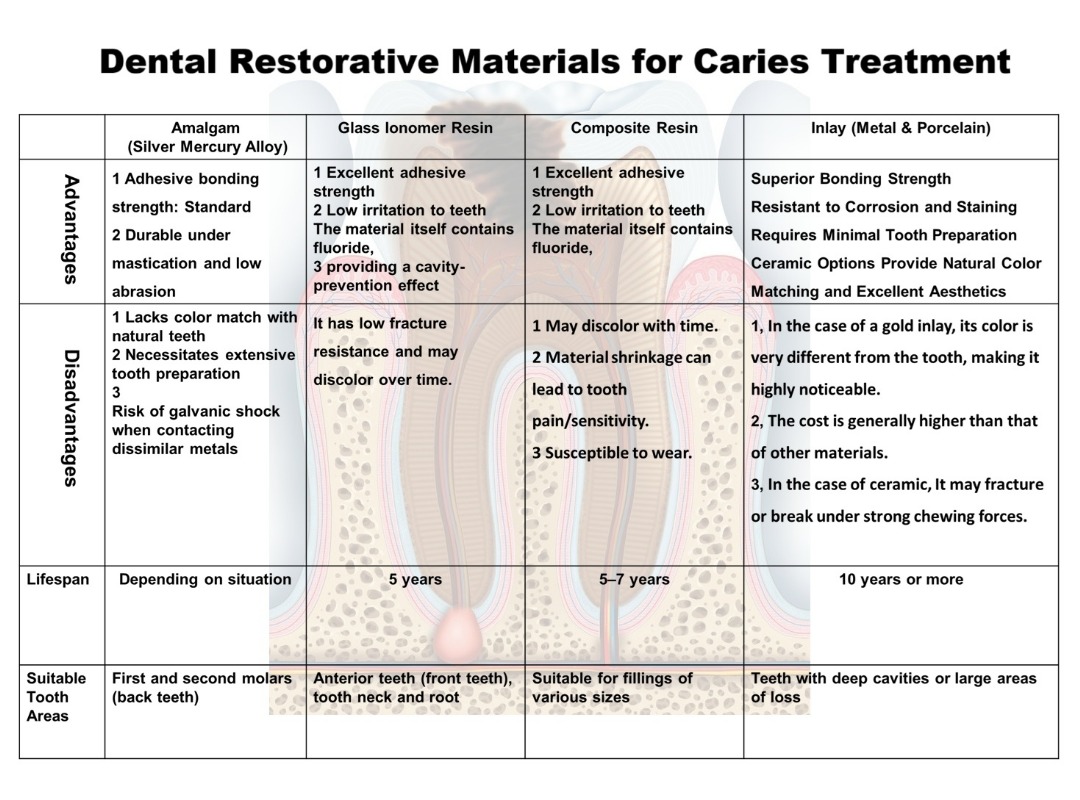
The lifespan of a dental filling depends on the material used.
If the filling becomes loose, it can lead to a recurrence of tooth decay. If part of the filling falls out, the dentist will recommend refilling the tooth.
| Material | Seal Quality | Lifespan | Suitable Tooth Areas |
|---|---|---|---|
| Amalgam (Silver Mercury Alloy) | Average | Depending on situation | First and second molars (back teeth) |
| Glass Ionomer Resin | Good | 7 years or more | Anterior teeth (front teeth), tooth neck and root |
| Composite Resin | Excellent | 5 years | Suitable for fillings of various sizes |
| Inlay (Metal & Porcelain) | Excellent | 5–7 years | Teeth with deep cavities or large areas of loss |
Post-Filling Care Instructions
-
Avoid brushing vigorously on the filled tooth on the day of the procedure to prevent the filling material from dislodging.
-
Chewing function on the treated tooth may be limited after the filling. Avoid chewing hard foods and try to use the opposite side of your mouth initially.
-
The filling material needs time to fully set. Do not eat for 2 hours after the procedure. After 2 hours, soft or semi-liquid foods can be consumed.
-
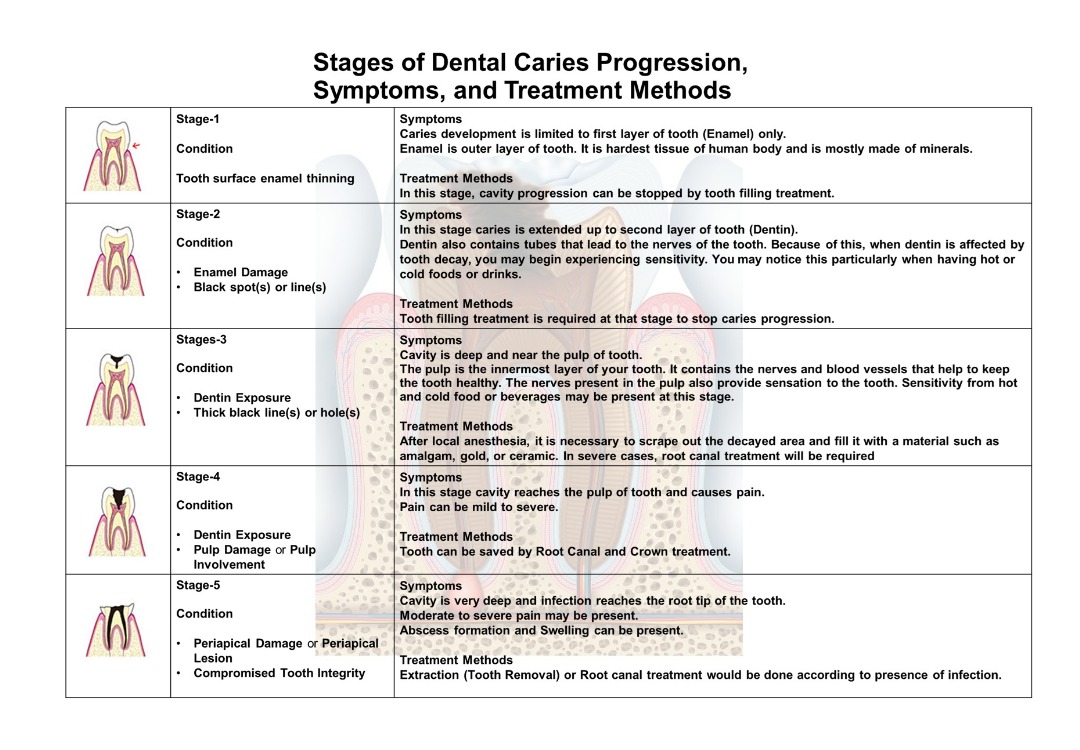
For deep cavities, large portions of the tooth structure may be lost after filling, making the tooth prone to fractures or cracks. The dentist may recommend a crown for protection.
-
Even after a filling, the treated tooth can develop new cavities if oral hygiene is not maintained. Brush teeth three times a day, use dental floss, and attend regular dental check-ups.
-
Deep cavities may cause temporary pain after filling. If pain persists or worsens after the observation period, further adjustment, repair, or additional treatment may be necessary.