
Pediatric dentistry

What is the role of fluoride?

Fluoride combines with the hydroxyapatite in tooth enamel, enhancing its resistance to acids. It forms a protective layer that inhibits bacteria from adhering to the tooth surface, helping to prevent or slow down the formation of cavities.

Fluoride application is a protective measure that targets the entire set of teeth.

How Fluoride Application Is Performed

Clean the teeth → Dry the teeth → Apply fluoride → Form a protective anti-cavity layer

What are the precautions for fluoride application?

  • Avoid eating, drinking, or rinsing for 30 minutes after fluoride treatment.

  • Dietary advice:

    • Eat soft or liquid foods.

    • Avoid foods that are too hot or too cold.

  • Oral hygiene:

    • Do not brush your teeth for 12–24 hours.

    • Do not use dental floss or interdental brushes during this period.

Can fluoride treatment be done regularly?

Doctors usually recommend fluoride treatment every 3 to 6 months.

In what situations should fluoride treatment not be performed?

  • Allergy to fluoride varnish ingredients or patients with asthma.

  • Presence of oral ulcers in the mouth.

What is fissure sealant treatment?

Many teeth have fissures on their chewing surfaces. A layer of light-curable bonding resin is applied to these pits and fissures. Once it hardens, it forms a protective barrier that prevents tooth enamel from being attacked by cavity-causing bacteria.

Fissure sealant treatment is applied to individual teeth, mainly molars.

The best timing for fissure sealant treatment

Primary teeth: Around 3 years old

Permanent teeth:

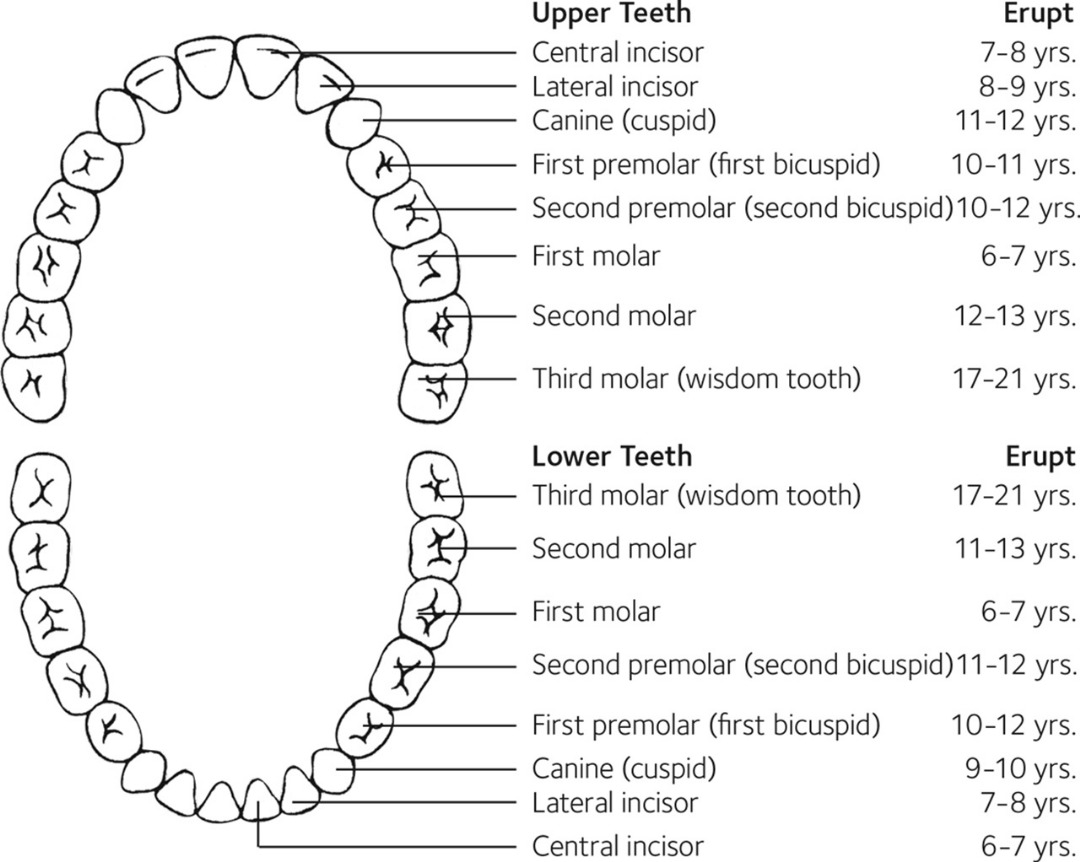
  • Around 6–7 years old (first molars)

  • Around 11–13 years old (second molars)

What are the precautions after fissure sealant treatment?

  • Avoid eating for 1 hour after the treatment.

  • Dietary advice on the treatment day: Eat soft or liquid foods.

  • Follow-up: Have a regular check-up every 6–12 months.

  • Maintenance: If the sealant falls off or is damaged, it should be repaired promptly.